June 22, 2026
A building's energy efficiency depends on more than just one component working well on its own. Insulation, windows, and siding each play a vital role in controlling heat transfer, maintaining indoor comfort, and reducing the strain on heating and cooling systems. When these elements are properly selected and installed, they work together as an integrated system that strengthens the building envelope and improves overall performance. Understanding the relationship between insulation, windows, and siding can help homeowners and builders make informed decisions that enhance energy savings, increase comfort, and extend the lifespan of a structure. By examining how these components interact, it becomes clear that maximizing efficiency requires a comprehensive approach rather than focusing on a single window replacement.
Understanding Insulation Types and R-Values
Definition and Importance of Insulation
Insulation plays a critical role in the overall energy efficiency of a building by minimizing heat transfer through walls, roofs, and floors. It acts as a barrier to heat flow, helping to maintain a consistent indoor temperature while reducing the energy required for heating and cooling. The effectiveness of insulation is largely determined by its material properties and installation quality. By preventing unwanted heat loss in winter and heat gain in summer, insulation contributes to the comfort and efficiency of a home. As a result, proper insulation is a key factor in reducing energy consumption and lowering utility bills.
Different Types of Insulation Materials
There are various types of insulation materials available, each with specific properties and applications. Common insulation materials include fiberglass, cellulose, foam board, and spray foam. Fiberglass is widely used for its cost-effectiveness and ease of installation, while cellulose is favored for its eco-friendly attributes. Foam board and spray foam offer higher R-values, making them ideal for spaces requiring superior thermal resistance. The choice of insulation material typically depends on factors such as budget, climate, and specific performance requirements of the building.
The Concept of R-Values and Thermal Resistance
An essential metric in evaluating insulation performance is the R-value, which measures an insulation's ability to resist heat flow. The higher the R-value, the greater the insulation's effectiveness in reducing heat transfer. Different areas of a building require different R-values, depending on climate and design specifications. Understanding R-values helps in selecting the right insulation to achieve optimal thermal performance. Maximizing the R-value throughout a structure ensures consistent temperature regulation, resulting in improved energy efficiency.
Common Issues and Solutions in Insulation Installation
Improper insulation installation can lead to thermal bridging, air leaks, and reduced efficiency. Common issues include inadequate coverage, compression, and gaps that compromise thermal resistance. Solutions involve meticulous installation practices, ensuring continuous insulation without interruptions. According to This Old House, addressing these installation challenges can significantly impact a building's energy performance, with more than 89% of 1,000 homeowners surveyed reporting a decrease in their monthly energy bills after having new windows installed. Employing professional installers and conducting post-installation inspections help optimize insulation performance.
Enhancing Thermal Performance With Windows
Basics of Energy-Efficient Windows
An energy-efficient window replacement is designed to reduce heat loss and gain, enhancing the thermal envelope of a building. These windows typically feature advanced glazing, special coatings, and improved frame materials to minimize energy transfer. The design of energy-efficient windows is intended to provide thermal insulation while maximizing natural light and outdoor views. They contribute to a substantial reduction in heating and cooling costs, demonstrating a direct link between window performance and energy efficiency. The adoption of energy-efficient windows is a crucial step toward achieving sustainable building practices.
Evaluating Window Glazing Options
Glazing options are a key consideration when selecting a window replacement, affecting both its thermal and visual performance. Single, double, and triple-glazed windows are available, with increased layers improving insulation properties. Low-emission coatings can be applied to glazing to reflect heat and reduce UV exposure, further enhancing energy efficiency. While triple glazing offers the highest thermal resistance, it also comes with higher costs, making it essential to balance performance with budget considerations. Careful evaluation of glazing options helps in optimizing window selection based on specific building needs and climate conditions.
Importance of Window Frames and Spacers
The frame and spacer components of a window replacement play significant roles in overall thermal performance. Materials used for window frames, such as vinyl, aluminum, and wood, have different thermal properties that influence heat transfer. Spacers, which separate the layers of glazing, are engineered to reduce condensation and maximize insulation. Advances in frame and spacer technology have significantly improved window performance, sealing gaps and minimizing energy loss. Choosing the right combination of framing and spacer systems enhances window efficiency and contributes to a more durable building envelope.
Improving Energy Efficiency With Siding Materials
Overview of Common Siding Materials
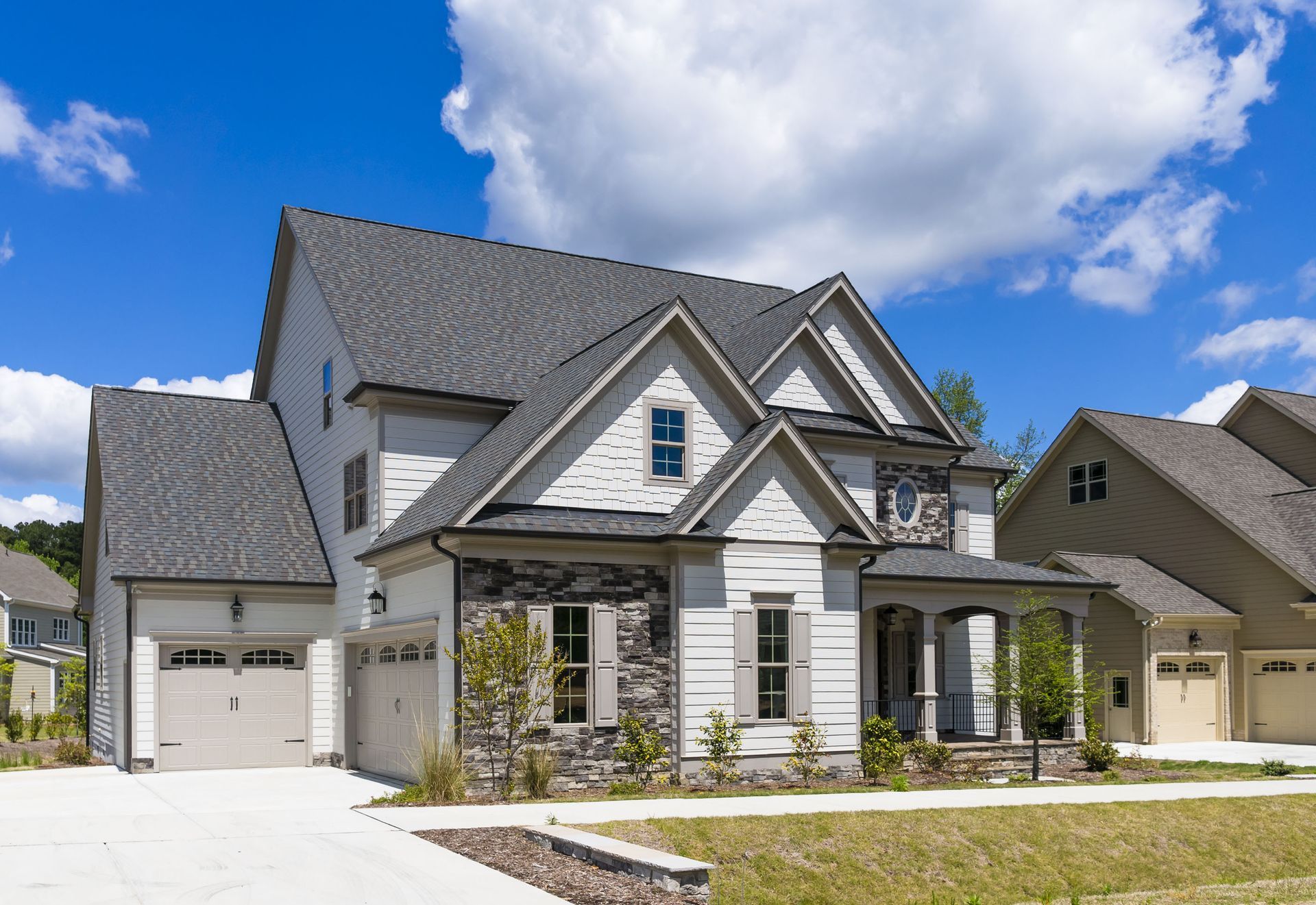
Siding not only influences the aesthetic appeal of a building but also its thermal performance and durability. Common siding materials include vinyl, wood, fiber cement, and stucco, each with unique characteristics and energy implications. Vinyl siding is lightweight and inexpensive but offers less insulation compared to other options. Wood and fiber cement provide substantial durability and a higher degree of insulation, albeit often at a higher cost. The choice of siding material should consider factors such as climate, building design, maintenance requirements, and eco-friendliness.
Benefits and Drawbacks of Vinyl Siding
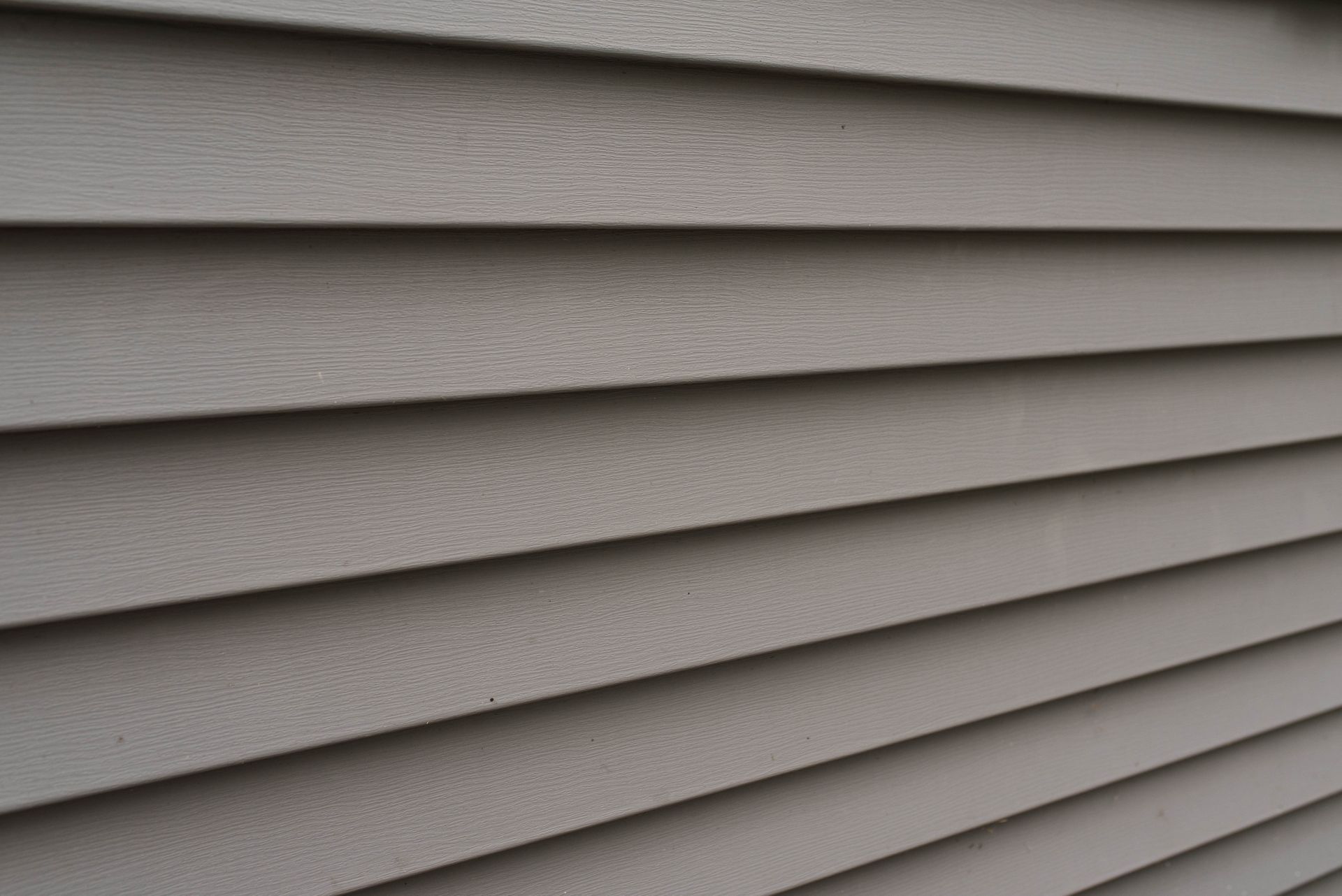
Vinyl siding is one of the most popular choices for residential properties due to its affordability and low maintenance. Its plastic composition makes it resistant to rot and insects, extending its lifespan with minimal upkeep. However, vinyl siding provides limited insulation compared to alternatives like fiber cement or insulated siding. During extreme weather, it may also become brittle, leading to cracks or damage. Despite these drawbacks, its cost-effective installation and range of color options make vinyl siding an attractive choice for budget-conscious homeowners.
Exploring Fiber Cement Siding Properties
Fiber cement siding combines the aesthetics of wood with the durability of cement, offering high performance and longevity. It is resistant to fire, insects, and weather elements, providing solid protection for the building envelope. Its dense composition also enhances thermal performance, with better insulation capabilities compared to vinyl siding. Although more expensive, fiber cement's durability and minimal maintenance requirements make it a worthwhile investment for long-term savings. Its environmental benefits and resilience to extreme weather contribute to sustainable building practices.
Synergy Between Insulation, Windows, and Siding
Understanding the Concept of Building Envelope
The building envelope encompasses all elements that separate the indoor environment from the outdoors, including insulation, windows, and siding. These components work together to regulate temperature, airflow, and moisture, contributing to energy efficiency and occupant comfort. A well-designed envelope minimizes heat losses and gains, reducing the heating and cooling demand on the HVAC system. By understanding the interrelationships within the building envelope, homeowners can optimize each component's performance. This holistic approach to building efficiency highlights the importance of synergy between insulation, windows, and siding.
Interaction Effects on Heat Transfer and HVAC Load
The interaction between insulation, windows, and siding directly affects how a building responds to heat transfer, impacting HVAC system loads. Effective insulation reduces conductivity, while high-performance windows limit radiant heat transfer, working in tandem to maintain a stable indoor temperature. Together with insulated siding, these components significantly lower energy demands, allowing for downsized and more efficient HVAC systems. The reduction in HVAC load translates into cost savings and improved environmental footprint. This synergy signifies the importance of coordinated strategies in achieving optimal building performance.
Design Strategies for Seamless Integration
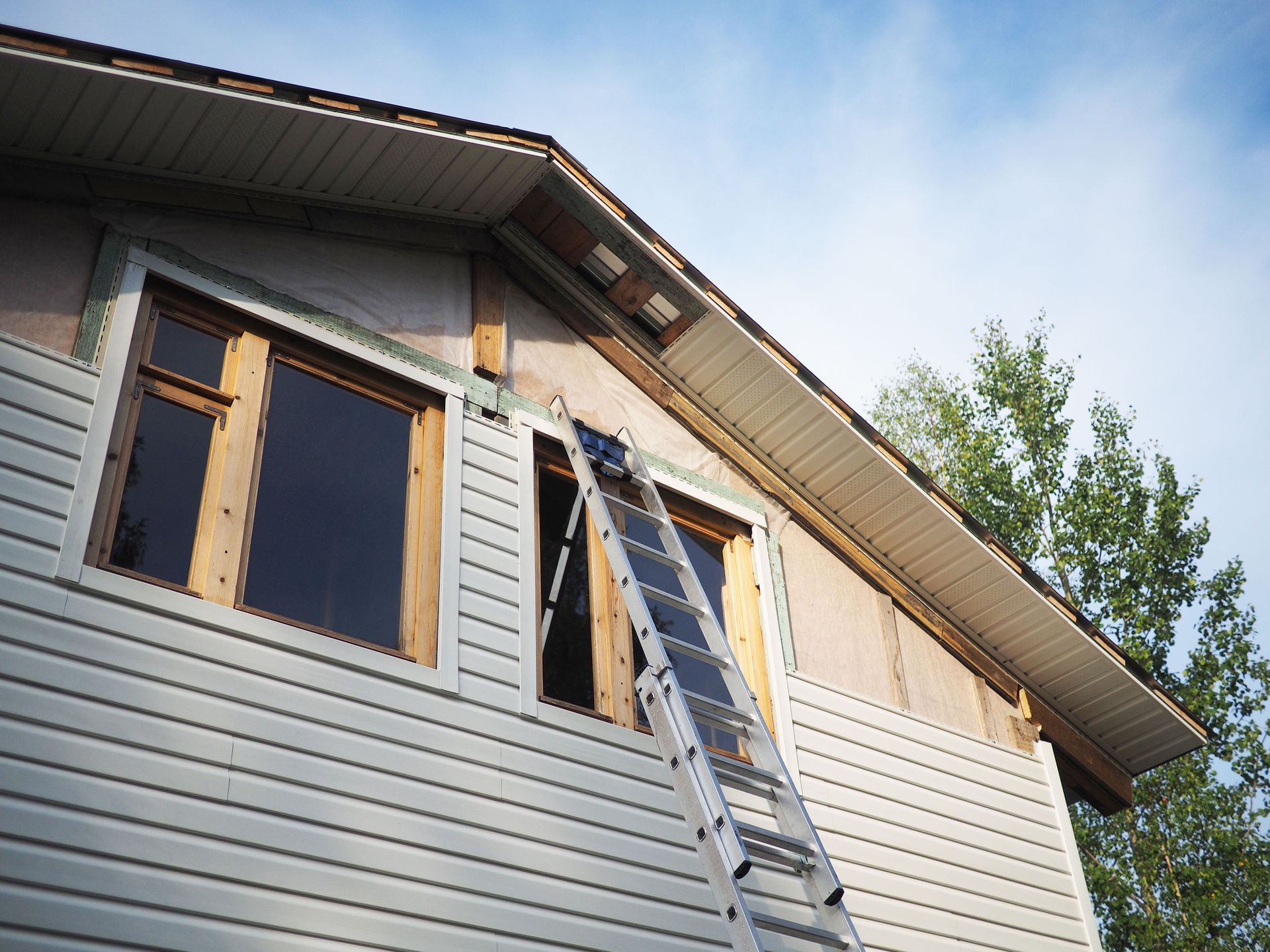
Achieving seamless integration of insulation, windows, and siding requires strategic design and planning during construction or renovation. Overlapping installation methods, such as continuous insulation or airtight window and door seals, enhance thermal barriers. Selecting complementary materials and installation techniques ensures each component complements the others, maximizing energy efficiency. Design considerations include accommodating local climate pressures and potential thermal bridges at junction points. Thoughtful integration of these elements forms a cohesive building shell, promoting durability and sustainability.
The interplay between insulation, windows, and siding significantly affects a structure's energy efficiency and environmental footprint. By understanding their synergistic roles, homeowners and builders can make informed decisions to enhance thermal performance, reduce costs, and contribute to a sustainable future. Embracing advancements in these components ensures that modern buildings adhere to sustainable and efficient building principles, paving the way for smarter, greener homes and commercial spaces worldwide. To learn more, reach out to the experts at Precision Contracting Services, Inc today!