April 23, 2026
Your home’s exterior is the first thing people notice, and it plays a major role in curb appeal, energy efficiency, and overall property value. While many homeowners focus on interior upgrades, the outside of the home often quietly ages over time. Weather exposure, changing design trends, and natural wear can all make a house look older than it actually is. In some cases, these signs are subtle, blending into the background until the home starts to feel visually tired or less efficient.
Recognizing when your home exterior is outdated isn’t just about aesthetics—it can also point to deeper issues like insulation problems, material degradation, or rising maintenance costs. From faded finishes to inefficient materials, several indicators can help you determine when it’s time for an update. Understanding these signs early can help you plan improvements that enhance both appearance and performance.
1. Visible Wear and Fading Materials
One of the most obvious signs of an aging home exterior is visible wear caused by sun, wind, and moisture exposure. Paint may begin to peel, surfaces may look chalky, and colors that were once vibrant can appear dull or washed out. These changes often signal that protective layers are breaking down.
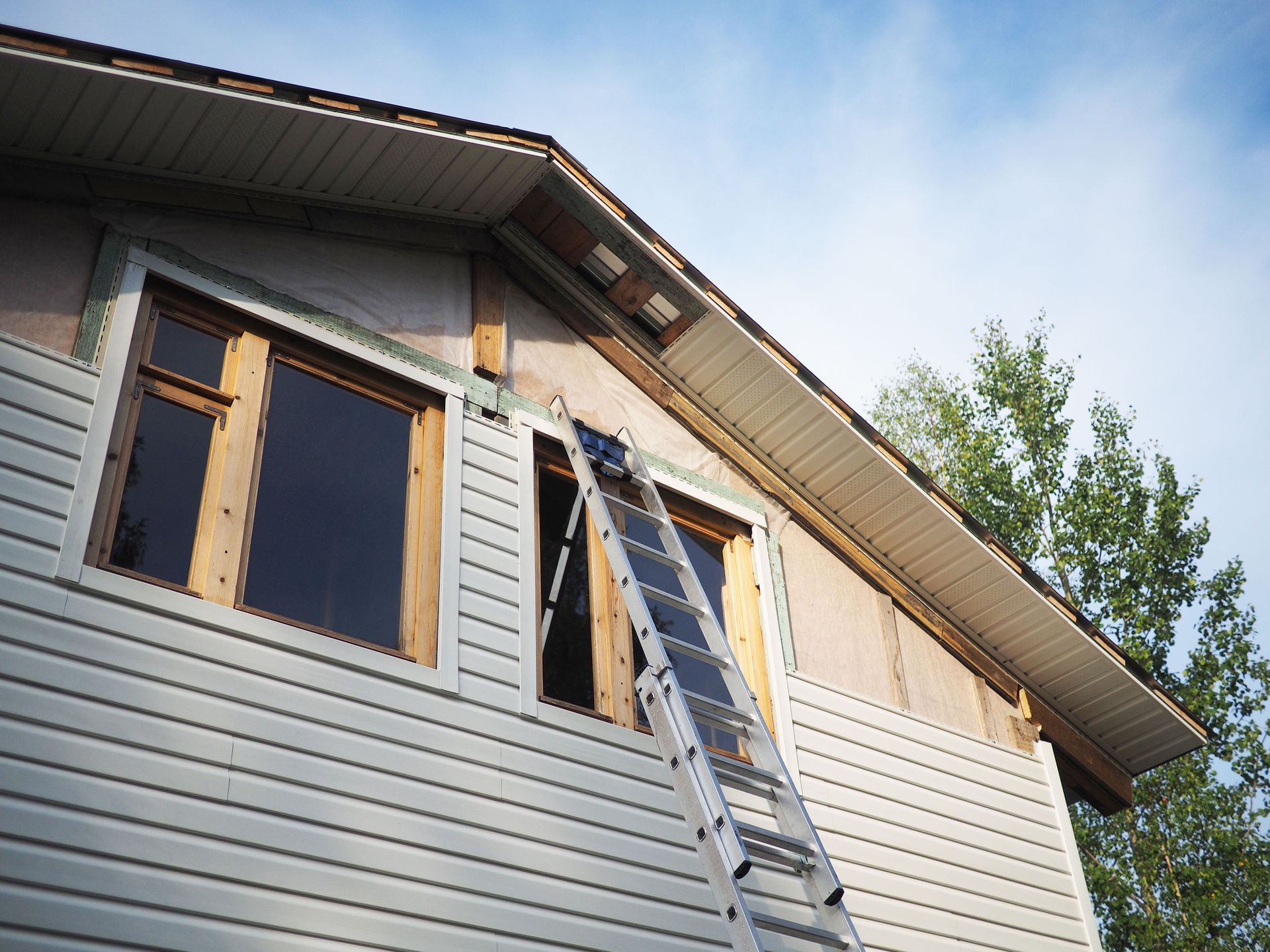
Another key indicator is the condition of your siding. If it appears warped, cracked, or heavily faded, it may no longer be providing the protection your home needs. Older siding materials are especially prone to breakdown after years of seasonal weather changes. In many cases, homeowners ignore these signs because they happen gradually, but they can significantly affect both appearance and structural integrity.
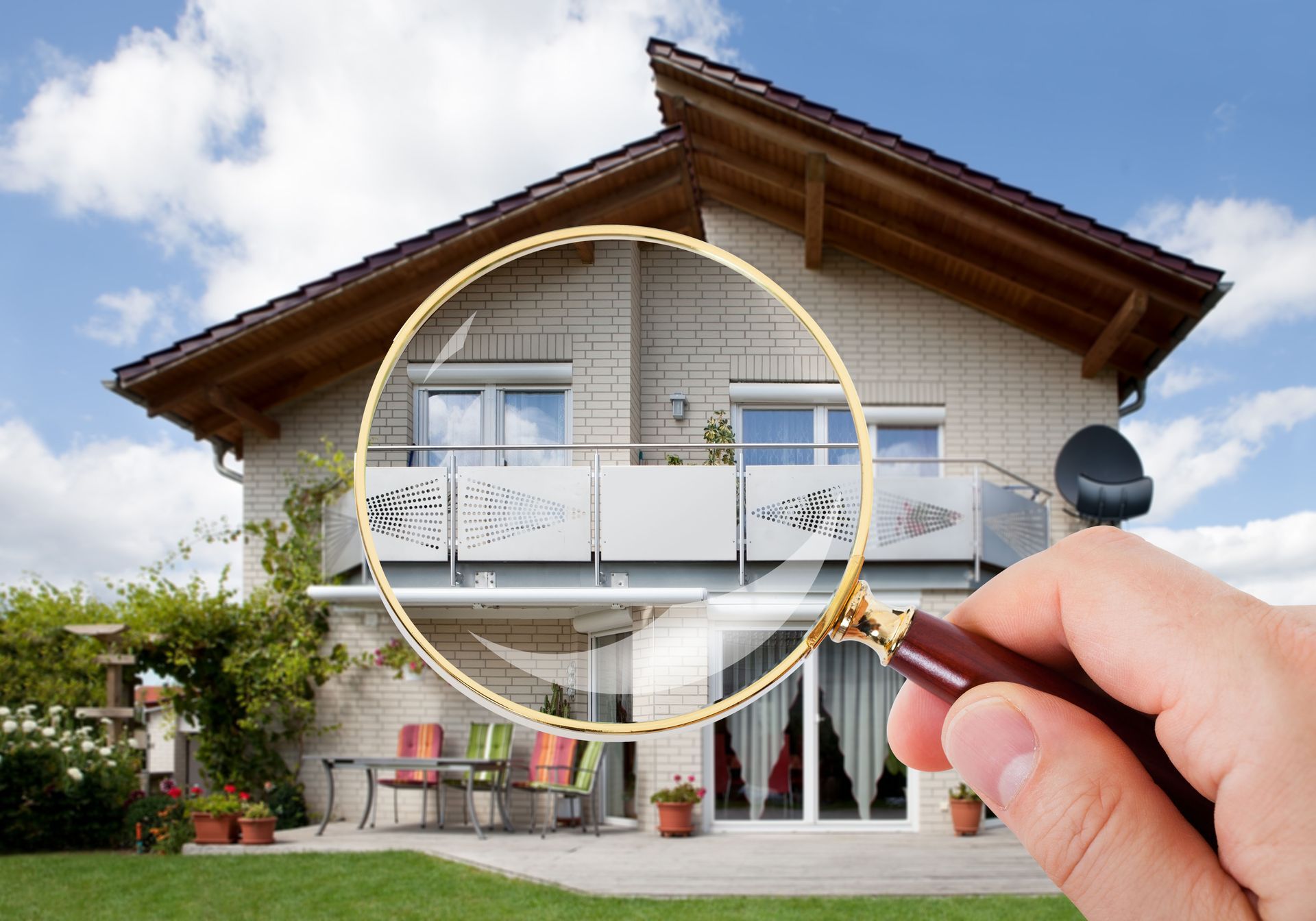
When evaluating your home, walk around the exterior and look for inconsistencies in texture or color. If different sections appear mismatched or worn, it’s often a clear sign that updates are needed. Pay close attention to areas that receive the most sun or weather exposure, as these typically show damage first. You should also compare newer repairs or patches against older sections, since uneven aging can further highlight the need for exterior improvements.
2. Outdated Design Styles and Color Schemes
Design trends evolve over time, and what once looked modern may now feel dated. Homes built decades ago often feature color palettes or architectural accents that no longer align with current styles. This can make the entire property feel older, even if it is structurally sound.
Outdated trim styles, overly busy exterior detailing, or faded earth-tone colors are common signs of an aging design approach. In some cases, the siding may still be functional, but its color or style no longer fits modern expectations. Updating exterior aesthetics can instantly refresh the entire look of a home without requiring a full rebuild.
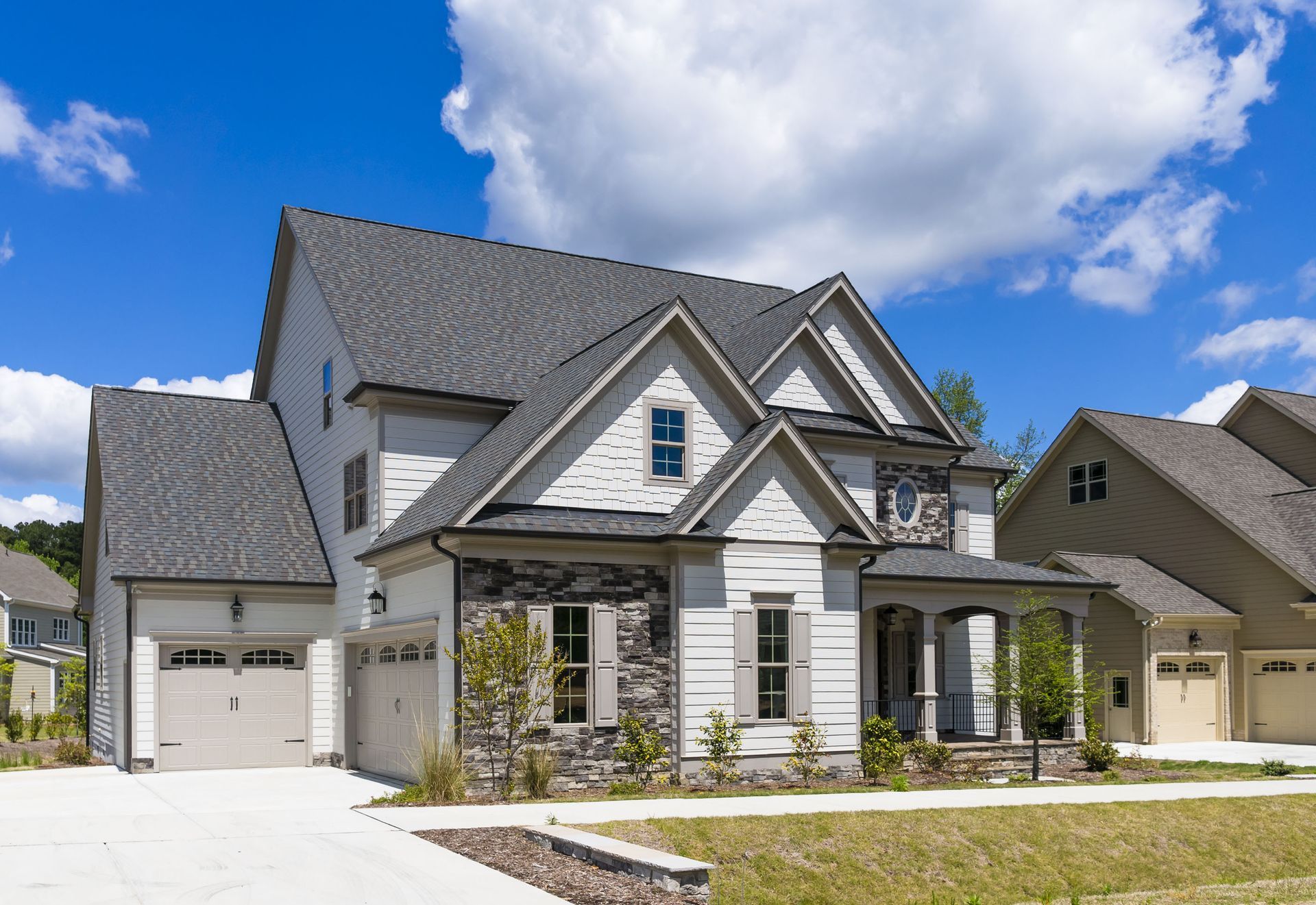
If your home’s exterior hasn’t been updated in 15–20 years, it’s worth comparing it to newer homes in your neighborhood. You may notice that even simple changes—like cleaner lines or updated color palettes—can make a significant visual difference.
3. Rising Maintenance Demands
An exterior that requires frequent repairs is often a sign that materials are nearing the end of their lifespan. Constant repainting, patching cracks, or replacing damaged panels can become both time-consuming and expensive.
When maintenance becomes repetitive, it’s important to evaluate whether the underlying materials are still effective. Aging siding is a common culprit, especially when it starts to crack, loosen, or allow moisture intrusion. At this stage, repairs may only serve as temporary fixes rather than long-term solutions.
You might also notice recurring issues like mold growth, pest entry points, or water stains on exterior walls. These problems suggest that the home’s protective barrier is weakening. Instead of continuously repairing symptoms, it may be more cost-effective to consider a full exterior update that restores durability and reduces ongoing maintenance needs.
4. Energy Inefficiency and Comfort Issues
If your home feels drafty in the winter or overly warm in the summer, your exterior could be contributing to poor energy performance. Older materials often lack the insulation properties found in modern building products, which can lead to higher utility bills and inconsistent indoor temperatures.
In many cases, outdated siding is a key factor in energy inefficiency. It may no longer provide a proper seal against air leaks, allowing conditioned air to escape and outdoor temperatures to influence indoor comfort. Upgrading materials can significantly improve insulation performance and reduce strain on heating and cooling systems.
According to Fixr, new siding enhances protection, curb appeal, energy efficiency, and resale value, with returns on investment for mid-range materials ranging from 80% to 90%. This makes exterior upgrades not only a visual improvement but also a financially strategic decision for homeowners looking to reduce long-term energy costs. If you notice temperature inconsistencies between rooms or rising energy bills without increased usage, your home’s exterior envelope may be overdue for an upgrade.
5. Declining Property Value and Curb Appeal
A home’s exterior plays a major role in how it is perceived in the real estate market. Even if the interior is well-maintained, an outdated or worn exterior can significantly reduce curb appeal and overall property value.
Buyers often make judgments within seconds of seeing a property. If the siding is faded, cracked, or mismatched, it can create the impression that the home has not been properly maintained. This can lead to lower offers or longer time on the market if you decide to sell.
Outdated exterior features can also affect appraisal values. Appraisers take condition and visual appeal into account when assessing a home’s worth. Investing in exterior improvements can help ensure your property remains competitive in the housing market. Even small updates—such as refreshing trim, updating colors, or replacing aging materials—can dramatically improve first impressions and increase perceived value.
6. Structural Red Flags and Hidden Damage
Beyond appearance, an outdated exterior can also hide structural issues that worsen over time. Moisture intrusion, rot, and pest damage often begin unnoticed behind exterior surfaces and only become visible when the problem has advanced.
Damaged siding is one of the most common entry points for these issues. When protective barriers fail, water can seep into the underlying structure, leading to wood rot, insulation damage, and even mold growth. These problems can compromise the integrity of your home if left unaddressed.
You may also notice soft spots, bubbling paint, or unexplained stains on interior walls, which can indicate exterior failure. These warning signs should not be ignored, as they often suggest deeper damage behind the surface. Conducting regular inspections and addressing issues early can prevent costly repairs. If multiple warning signs are present, it may be time to consider a full exterior evaluation and replacement strategy.
Your home’s exterior does more than create curb appeal—it protects your property, regulates energy efficiency, and contributes to long-term value. Over time, natural wear, outdated materials, and evolving design standards can all signal that it’s time for an update. By paying attention to fading surfaces, rising maintenance needs, and hidden structural concerns, you can identify problems before they become costly repairs.
Upgrading exterior materials not only improves appearance but also strengthens your home’s overall performance and resale potential. A well-maintained exterior ensures your property remains efficient, durable, and visually appealing for years to come. For homeowners ready to modernize and protect their investment, Precision Contracting Services, Inc is here to help bring your exterior back to life with expert solutions tailored to your home’s needs.