February 20, 2026
The exterior siding of a home plays a crucial role in protecting it from the elements and enhancing its aesthetic appeal. However, over time, siding may deteriorate or get damaged, raising the question: Do I need a siding replacement? This article explores the signs indicating a need for siding replacement, the benefits of doing so, and what homeowners should consider when making this decision. Beyond aesthetics, siding affects a house's structural integrity and energy efficiency. Knowing when to replace it is integral to maintaining home value and comfort.
Seeing Signs Your Siding Needs Replacement
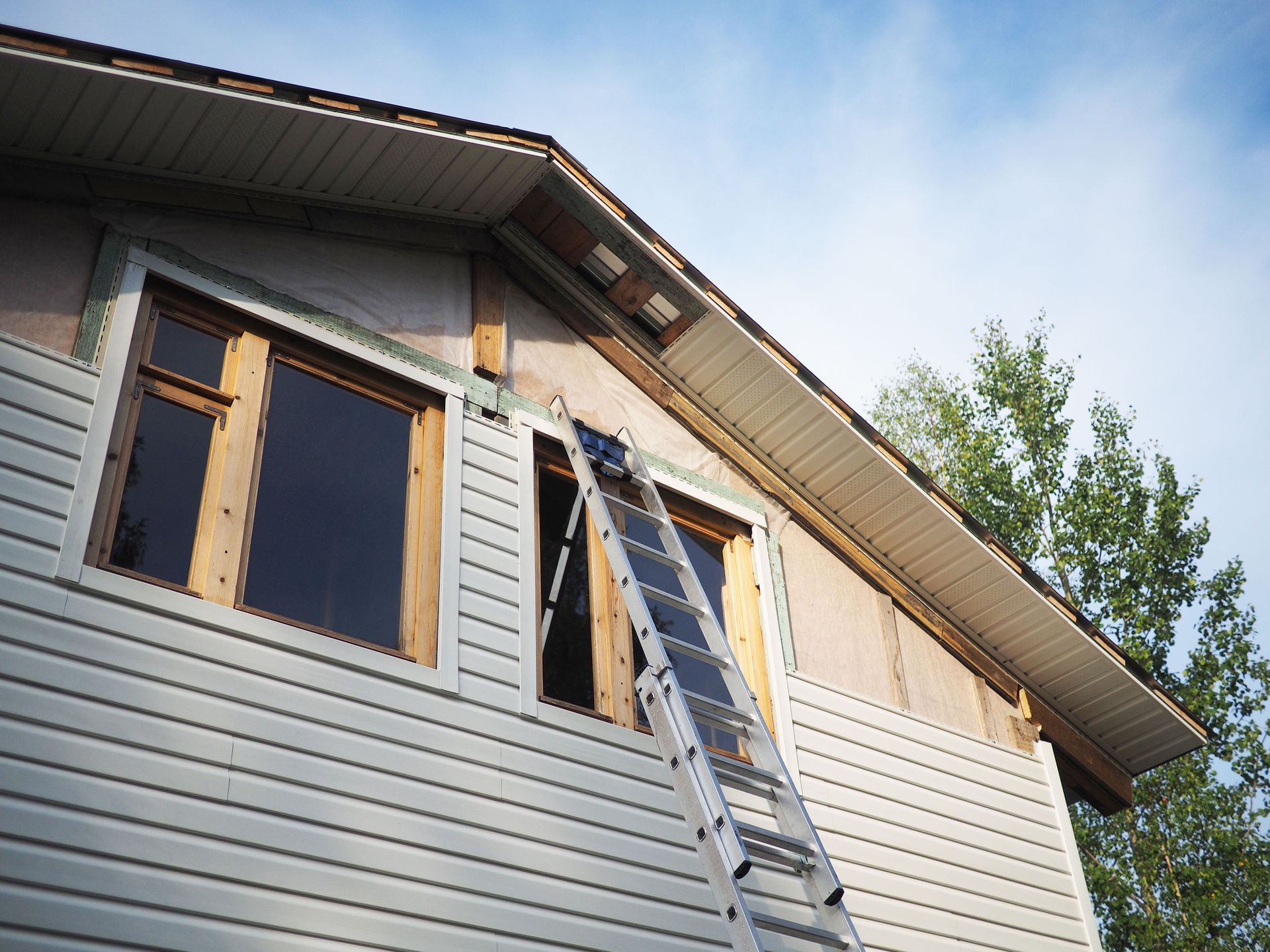
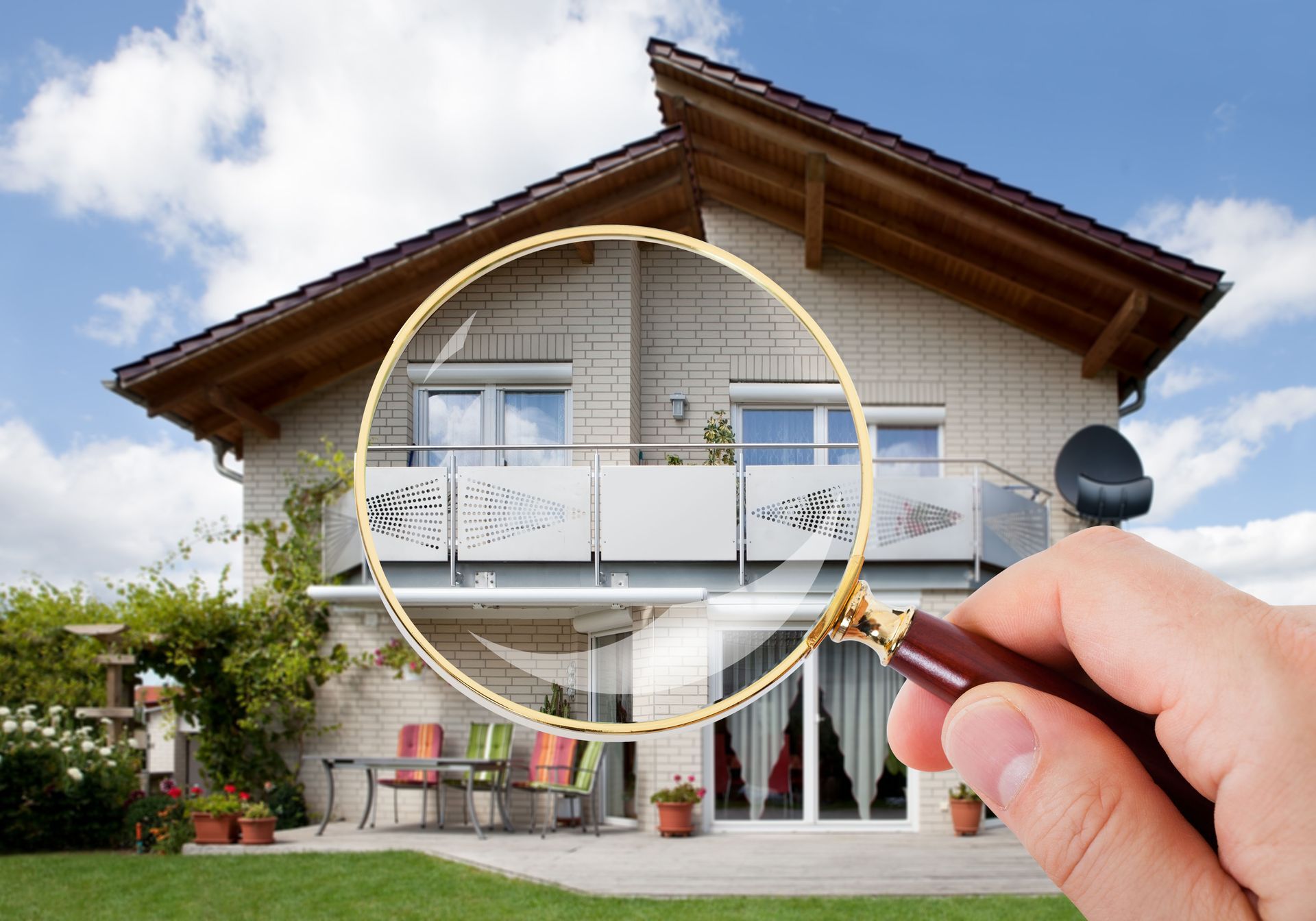
Visible physical damage to siding is often the first indication that it might be time for replacement. Cracks and warps can compromise the siding's ability to protect against weather elements. These damages expose the understructure of the home to moisture and insects, leading to further deterioration. Rotting parts of the siding are a critical red flag, often indicating deeper issues that a simple repair can't address. Regular inspection of siding can reveal these problems before they become severe.
Increasing High Energy Bills
One subtle indicator of failing siding is an unexpected spike in energy bills. Damaged or poorly insulated siding can lead to air leaks, making it harder to regulate indoor temperatures. This results in more energy consumption to maintain comfort, reflected in higher utility costs. Modern siding materials often come with better insulation properties, significantly reducing energy costs. Thus, siding replacement can be an investment in energy efficiency.
Dealing with Frequent Maintenance Requirements
When siding requires frequent repairs, it might be more cost-effective to replace it entirely. Constant maintenance not only drains resources but also postpones the inevitable need for a complete overhaul. Homeowners often find that repetitive patch jobs add up, surpassing the cost of new siding. By choosing replacement over constant repairs, they can ensure the home is well-protected and aesthetically appealing. Investing in a long-term solution is financially prudent in the long run.
Viewing Interior Wall Damage
If you have interior wall damage, such as peeling paint or wallpaper, it can be a symptom of compromised siding. This type of interior damage often indicates moisture has penetrated the siding, seeping into the walls. If not addressed promptly, it can lead to mold growth and structural damage to the home. Replacing the siding can halt this progression and restore the integrity of the walls. It's essential to complement exterior siding inspections with checks on interior walls for a comprehensive assessment.
Inspecting Mold and Mildew
The presence of mold and mildew is a serious concern for any homeowner. Mold can thrive on damp surfaces, and outdated or deteriorated siding can allow moisture to penetrate, creating an ideal environment for growth. Not only does this affect the home's appearance, but it also poses health risks to residents. Siding replacement can eliminate mold issues by blocking moisture entry and incorporating mold-resistant materials. Ensuring proper ventilation and drainage can further assist in preventing mold formation.
Replacing Siding
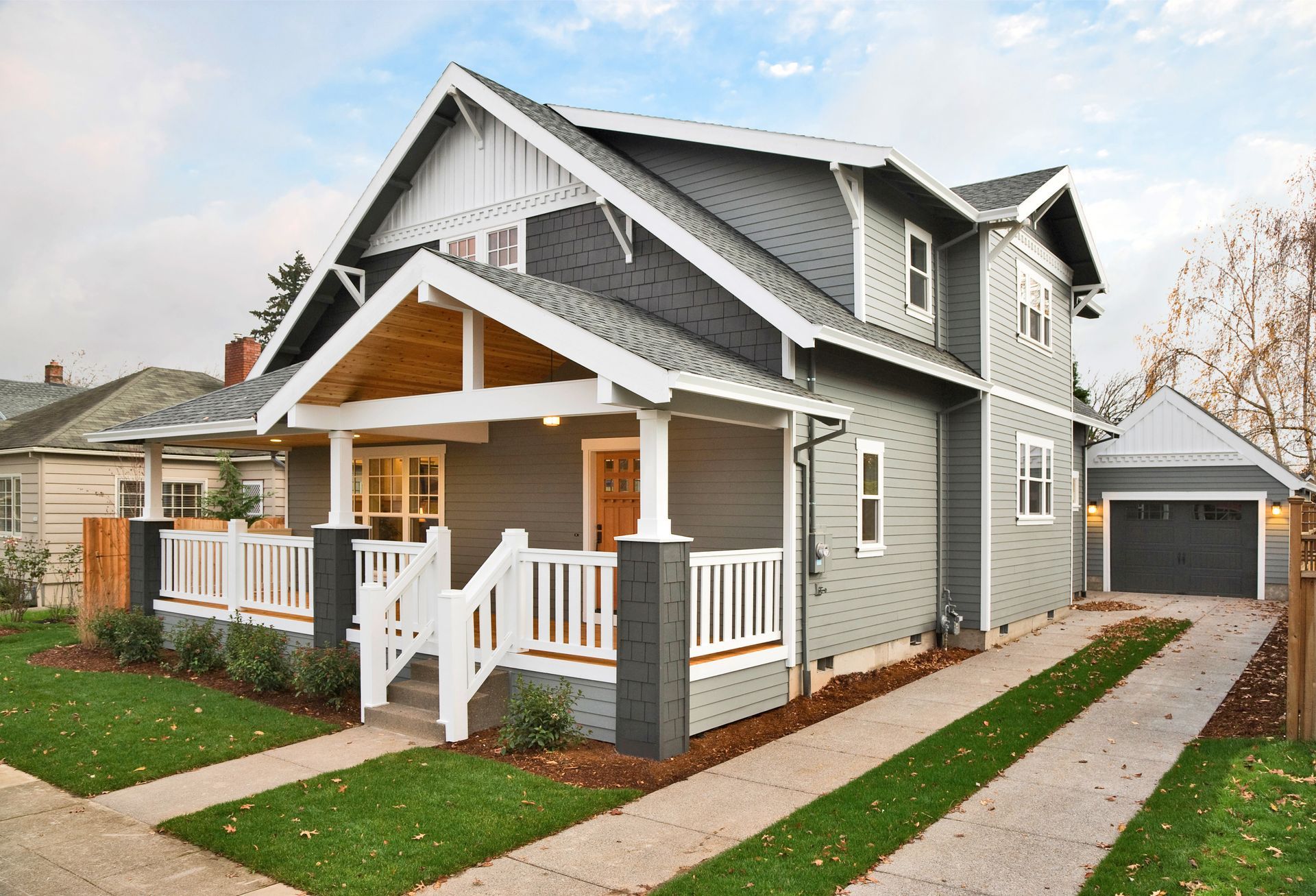
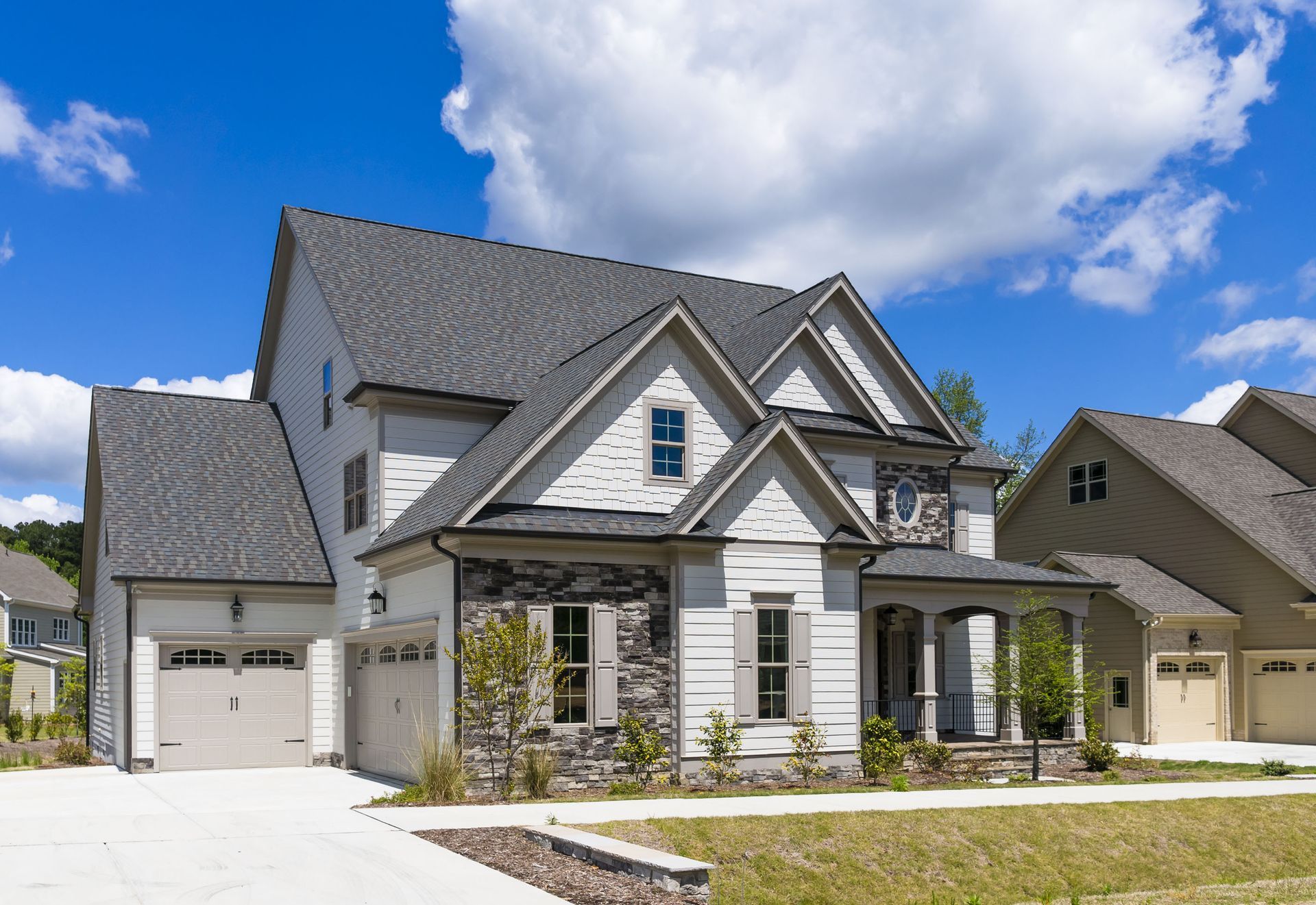
One of the immediate benefits of replacing siding is the dramatic enhancement of a home's curb appeal. Fresh, new siding can transform the appearance of a house, making it more attractive and welcoming. Potential buyers and passersby often judge a home's value by its exterior, and siding plays a significant part in that first impression. With various styles and colors available, homeowners can select siding that best reflects their personal taste and complements the existing architecture. A visually appealing exterior can also increase neighborhood perceptions and home value.
Improving Energy Efficiency
Modern siding materials offer better insulation properties than older versions. By reducing thermal bridging and providing a more effective barrier against the elements, they cut down on energy usage. Improving your home's insulation through siding replacement can lead to significant savings on heating and cooling bills. According to Southern Living, the average lifespan of vinyl siding is 30+ years, making it a long-term investment in energy efficiency. In addition to cost savings, improved insulation helps maintain a comfortable indoor environment year-round.
Increasing Your Property Value
New siding can significantly boost the resale value of a home. Real estate professionals often highlight recent updates like siding when marketing homes, as buyers appreciate the reassurance of recent renovations. The aesthetic and functional improvements provided by new siding make homes more attractive in competitive markets. Consequently, replacing siding can yield a high return on investment when selling your home. It's a strategic enhancement that appeals to both practical and aesthetic concerns of potential buyers.
Protecting Against the Elements
Siding acts as the home’s first line of defense against harsh weather conditions. New siding technology provides improved resistance to wind, rain, and sun, ensuring the underlying structure remains protected. It can also deter pests, reducing the likelihood of infestations that could compromise the home’s integrity. Furthermore, quality siding materials are often designed to resist fading and wear, maintaining their appeal longer even under environmental stress. This enhanced durability ensures long-term protection, keeping the home safe from external threats.
Saving Long-Term on Costs
While the initial cost may be substantial, siding replacement offers long-term economic benefits. By eliminating the need for constant repairs and minimizing energy consumption, homeowners can offset the upfront investment. Durable siding materials also reduce the frequency of maintenance requirements, offering more savings over time. With the increasing cost of energy and home repairs, a one-time investment in new siding proves to be financially advantageous. This reduction in ongoing expenses allows homeowners to allocate resources to other important projects or savings goals.
Siding Materials: Vinyl Siding
Popular for its affordability and ease of maintenance, vinyl siding is available in a variety of colors and styles, allowing homeowners to achieve their desired look without breaking the bank. While vinyl is durable and long-lasting, with an average lifespan of 30+ years, it can crack or fade over time. Nonetheless, it remains a cost-effective solution with lower installation expenses compared to other materials. Homeowners must weigh these factors when considering vinyl siding for its financial practicality.
Siding Materials: Wood Siding
Offering a classic, timeless look that many homeowners desire, wood siding is known for its natural beauty, and it can significantly enhance the aesthetic appeal of a home. However, wood requires regular maintenance, such as painting and sealing, to protect it from rot and insect damage. The initial cost for wood siding can be higher than other options, but its visual appeal often justifies the expense. Choosing wood siding involves a commitment to ongoing maintenance but delivers unmatched elegance and authenticity.
Siding Materials: Fiber Cement Siding
A fiber cement siding is valued for its durability and resistance to fire and pests. Made from a mix of cement, sand, and cellulose fibers, it offers a sturdy alternative to traditional wood siding. It can mimic the appearance of wood while providing improved longevity and lower maintenance requirements. Although the installation cost for fiber cement siding can be higher, its long-term benefits, including lower repair expenses and strong fire resistance, make it a compelling choice. Homeowners seeking a balance between aesthetics and practicality often gravitate towards this material.
Determining whether you need a siding replacement involves evaluating the condition of your current siding, understanding the benefits of new siding, and making informed decisions based on various factors, including materials, costs, and contractors. By thoroughly assessing these elements, homeowners can make the best decision for their property's protection, value, and appearance. Ensuring a strategic approach to siding replacement promotes a balance between aesthetics and functional needs, securing the home’s integrity and future investment potential. If your home needs a siding upgrade in Downingtown, PA, and the surrounding areas, contact Precision Contracting Services, Inc today.